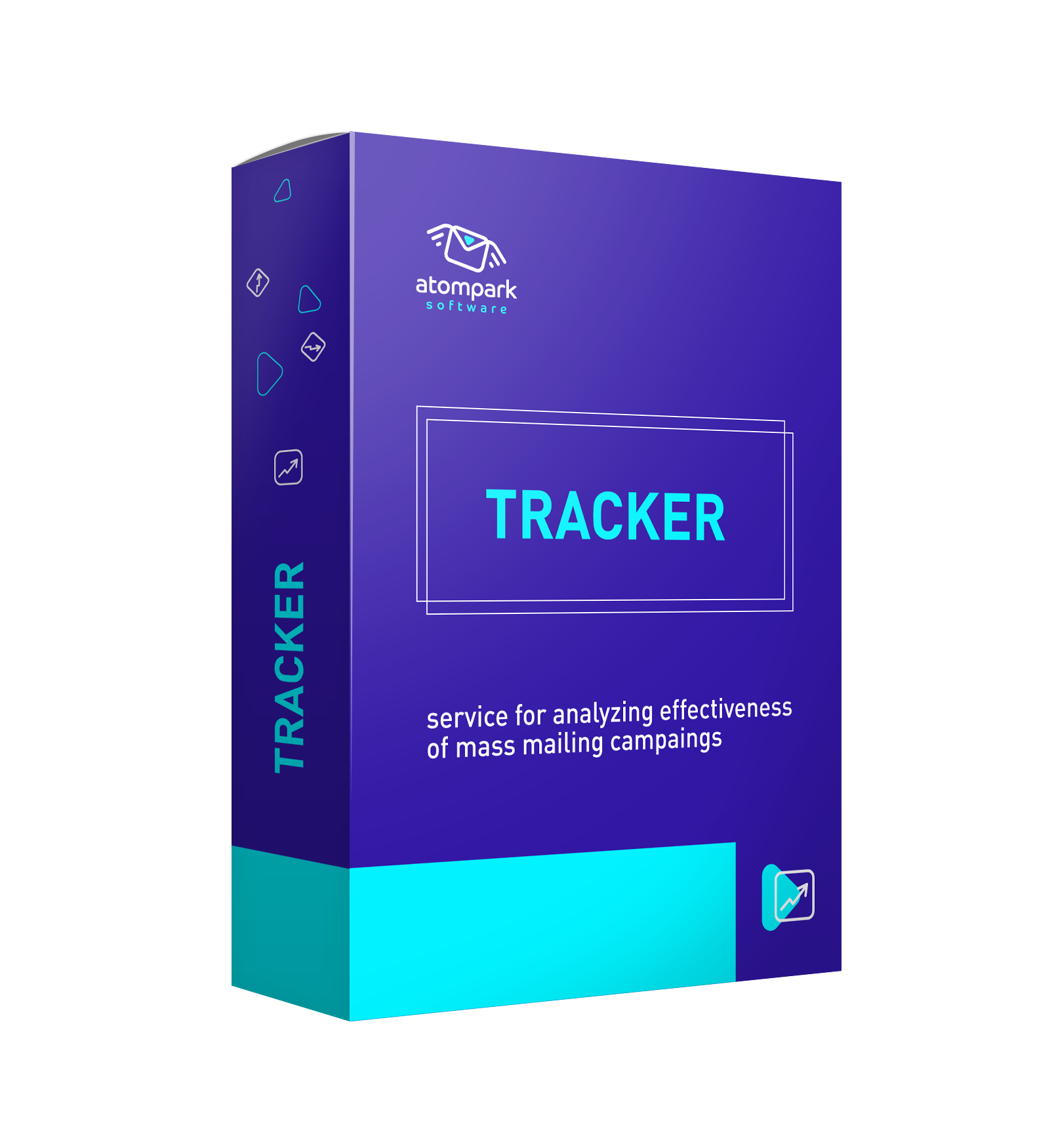
Atomic Email Tracker is a web-based service for tracing the letters that are being sent.
Atomic Email Tracker tracks all sent email messages and gathers the statistics of your email campaigns within your email tracker cabinet.
With this smart solution, you are allowed to define if your database is ok. In the cases when you need an automated verifying of bulk message campaigns, it helps to avoid any negative consequences. They may be getting under spam filters, bounces, etc.
Track email, optimize your marketing work to save budget on unnecessary costs you might spend on mails.
Through this service you acquire access to data on every email open, stats on the click-through, look through pages visited, and so much more. The system may provide you with the necessary features to track Gmail.
It is possible to monitor your service subscription, as well. Regularly it is based on the parameters set and defines whether your campaigns are a success. Besides, you may use
advanced mail settings of email monitoring service to research leads, contact prospects and develop top-notch sales processes for your business team. If you need to get your cold mailing right, choose Atomic mail personalization. Determining who to communicate with, what to communicate, and when to communicate is the key to effective email campaigns. Do not skip the chance to organize your marketing efficiently and boost results for any business marketing campaigns while analyzing an email marketing campaign.
Do not skip the chance to organize your marketing efficiently and boost results for any business marketing campaigns while analyzing an email marketing campaign. No specific technical knowledge or additional efforts are required!
How Casizoid Explores the Evolution of Canadian Online Gaming
The Canadian online gaming landscape has undergone remarkable transformation over the past two decades, evolving from a largely unregulated frontier into a sophisticated digital ecosystem. This evolution reflects broader technological advancements, shifting regulatory frameworks, and changing consumer preferences that have reshaped how Canadians engage with digital entertainment. Understanding this progression requires examining the historical context, regulatory developments, technological innovations, and cultural shifts that have defined the industry’s trajectory. Casizoid has emerged as a valuable resource for documenting and analyzing these changes, providing insights into how Canadian online gaming has matured from its early experimental phase into a mainstream entertainment sector.
The Early Days of Canadian Online Gaming
The late 1990s and early 2000s marked the genesis of online gaming in Canada, a period characterized by limited infrastructure and ambiguous legal frameworks. During this formative era, Canadian players accessed offshore platforms through dial-up connections, navigating websites that often lacked the security protocols and user protections that are now considered standard. The technological limitations of the time meant that gaming experiences were rudimentary, with simple graphics and frequent connectivity issues hampering the overall experience.
Provincial governments initially struggled to address this emerging sector, as existing gambling legislation had been crafted for brick-and-mortar establishments. Quebec became a pioneer in 2010 when it launched Espacejeux, the first government-operated online gaming platform in Canada. This initiative represented a significant milestone, demonstrating that provincial authorities could adapt their regulatory approaches to accommodate digital platforms. British Columbia followed with PlayNow.com, establishing a precedent for government-controlled online gaming that prioritized consumer protection and responsible gaming measures.
These early provincial platforms operated within a complex legal environment where the Criminal Code of Canada granted provinces authority over gambling within their borders, but the digital nature of online gaming complicated jurisdictional questions. The absence of federal legislation specifically addressing online gaming created a regulatory patchwork that would persist for years, influencing how the industry developed across different regions of the country.
Regulatory Evolution and Market Expansion
The 2010s witnessed accelerating change in Canadian online gaming regulation, driven by technological advancement and growing recognition of the sector’s economic potential. Ontario’s decision to establish a regulated market through the Alcohol and Gaming Commission of Ontario (AGCO) represented the most significant regulatory development in Canadian gaming history. When the province officially opened its regulated online gaming market in April 2022, it created a framework that allowed private operators to offer services legally to Ontario residents, fundamentally altering the competitive landscape.
This regulatory shift prompted unprecedented market activity, with dozens of international operators seeking licenses to serve Ontario’s population of over 14 million people. The regulated market introduced standardized requirements for player protection, responsible gaming tools, and operational transparency that had been inconsistently applied in the grey-market era. Operators now faced mandatory obligations to implement self-exclusion programs, deposit limits, and reality checks designed to promote safer gaming practices.
Resources like https://casizoid.org have become instrumental in helping Canadian players navigate this evolving regulatory environment, offering comprehensive information about licensed operators, regulatory requirements, and the implications of choosing regulated versus unregulated platforms. The educational role of such platforms has grown increasingly important as the market has expanded and diversified, providing clarity in an environment where legal status and operational standards vary significantly between provinces.
Other provinces have observed Ontario’s regulatory experiment with considerable interest, evaluating whether similar frameworks might benefit their jurisdictions. Alberta, Saskatchewan, and Manitoba have explored various regulatory options, though implementation timelines and approaches differ substantially. This provincial variation reflects Canada’s constitutional structure, where gambling regulation remains primarily a provincial responsibility, resulting in a fragmented national landscape that contrasts sharply with more unified regulatory systems in other countries.
Technological Innovation and User Experience
The technological evolution underpinning Canadian online gaming has been nothing short of revolutionary. Early platforms offered limited game selections and basic functionality, but contemporary sites feature thousands of titles with sophisticated graphics, live dealer options, and mobile optimization that enables gaming from virtually anywhere. The transition from desktop-exclusive experiences to mobile-first design philosophies has fundamentally changed how Canadians interact with online gaming platforms.
Mobile technology adoption rates in Canada rank among the highest globally, with over 90% of adults owning smartphones. This widespread mobile connectivity has enabled operators to develop applications and responsive websites that deliver seamless experiences across devices. Live dealer games, which stream real-time footage of professional dealers operating from studios, have become particularly popular among Canadian players seeking more immersive experiences that bridge the gap between online and land-based gaming.
Payment processing innovations have similarly transformed the user experience. Early online gaming required credit card transactions or cumbersome wire transfers, but modern platforms support diverse payment methods including e-wallets, prepaid cards, cryptocurrency, and instant banking solutions. These options provide greater flexibility and security, addressing historical concerns about financial transaction safety that deterred some potential users from engaging with online platforms.
Artificial intelligence and machine learning technologies have enabled operators to personalize user experiences, offering game recommendations based on playing history and preferences. These same technologies support responsible gaming initiatives by identifying patterns of potentially problematic behavior and triggering interventions such as reality checks or temporary cooling-off periods. The integration of such technologies represents a maturation of the industry’s approach to balancing commercial objectives with player welfare considerations.
Cultural Shifts and Social Acceptance
The normalization of online gaming within Canadian society represents a profound cultural shift that has occurred gradually over the past fifteen years. Activities once viewed with skepticism or moral concern have become mainstream entertainment options, discussed openly in media and social contexts. This transformation reflects broader societal changes in attitudes toward digital entertainment, risk-taking activities, and personal autonomy in leisure choices.
Demographic research indicates that Canadian online gaming participants span all age groups, income levels, and geographic regions, challenging outdated stereotypes about who engages with these platforms. The industry has made concerted efforts to appeal to diverse audiences through varied game offerings, from traditional table games to innovative slot themes reflecting Canadian cultural references and interests. Marketing approaches have evolved from aggressive promotional tactics to more sophisticated brand-building strategies emphasizing entertainment value and responsible participation.
Media coverage of online gaming has similarly evolved, with mainstream publications now regularly featuring industry analysis, regulatory developments, and player interest stories. This increased visibility has contributed to destigmatization, positioning online gaming as a legitimate entertainment sector rather than a fringe activity. Academic institutions have begun offering courses examining gambling economics, psychology, and policy, further legitimizing the field as worthy of serious scholarly attention.
The COVID-19 pandemic accelerated many of these trends, as lockdowns and social distancing measures limited access to land-based entertainment venues. Online gaming platforms experienced substantial user growth during this period, introducing many Canadians to digital gaming for the first time. While some of this growth proved temporary, significant portions of new users continued engaging with online platforms even after restrictions eased, suggesting that pandemic-era experimentation produced lasting behavioral changes.
The evolution of Canadian online gaming reflects the intersection of technology, regulation, economics, and culture in shaping a modern entertainment industry. From its uncertain beginnings in the early internet era through the establishment of sophisticated regulated markets, the sector has matured substantially while continuing to face ongoing challenges related to responsible gaming, regulatory harmonization, and technological innovation. Casizoid’s documentation of this journey provides valuable perspective on how far the industry has progressed and the complex factors that will influence its future development. As provinces continue refining their regulatory approaches and technology enables ever more immersive experiences, Canadian online gaming will likely continue evolving in ways that balance commercial opportunity with consumer protection imperatives.